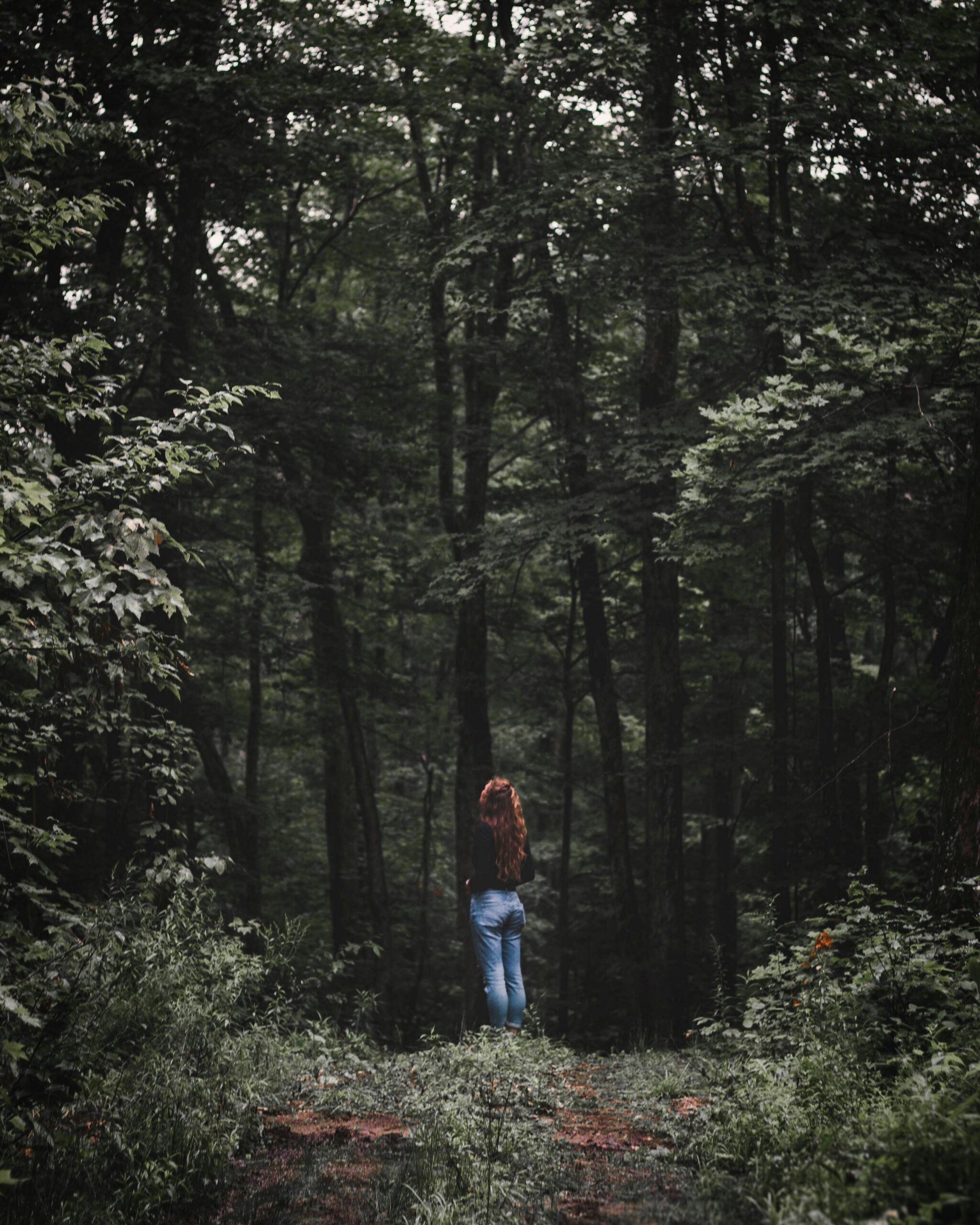
• Where Do the Children Play?

    A Reflection on Enough


    There’s a line in an old Cat Stevens song that’s been following me lately, the way certain truths do when we’re finally ready to hear them: “I know we’ve come a long way, we’re changing day to day… but tell me, where do the children play?”

    I’ve been thinking about that question. Not just about children, but about all of us. About what we’ve traded for convenience. About the cost of having everything we want when we want it.

    I grew up in a different world. A slower one.

    Summer evenings stretched long and golden, measured not by clocks but by the fading light. My brother and I would fish in the ocean until the sun melted into the horizon, our bare feet in cool water, our hands sticky with salt and patience, our hearts full after casting lines and watching the current, waiting for that electric tug that said something wild and alive was on the other end.

    We didn’t have much. But we had enough.

    We had twilight thick with humidity and possibility. We had mason jars to catch fireflies—those tiny lanterns that turned ordinary yards into wonderlands. We stayed out past dark not because we were rebelling, but because darkness itself was part of the adventure. The night sky was our ceiling, vast and star-crowded, reminding us how small we were and somehow how connected.

    We knew when to come home by the feeling in our bones, by our mother’s voice carried on the breeze, by the simple understanding that some things—sleep, home, tomorrow—were worth returning to.

    How much is enough?

    It’s an uncomfortable question in a culture that tells us more is always better. That faster is always smarter. That convenience is always progress.

    We’ve built our jumbo planes, just like Cat Stevens sang. We’ve cracked the sky with our scrapers. We can get anything we want, when we want it, delivered to our doorstep before we’ve even finished wanting it.

    But somewhere in all that getting, we’ve lost something essential.

    We’ve lost the pause.

    That space between desire and fulfillment where anticipation lives, where patience teaches us what we truly need versus what we’ve been told to want. The rhythm of waiting for the fish to bite. The discipline of staying still enough to let the firefly land on your palm before you try to catch it.

    I see the cost of this collective “more, more, more” in so many of us. I see it in the exhaustion. The overwhelm. The sense that no matter how much we accomplish, there’s always another task, another notification, another thing we should be doing. One more thing that will make us good enough.

    I see it in the sleep problems that have reached epidemic proportions—our nervous systems so overstimulated by constant access, constant light, constant everything that they’ve forgotten how to rest.

    I see it in the anxiety that comes from having infinite choices but no clear sense of what truly matters. From being able to have anything but not knowing what we actually need.

    And perhaps most heartbreaking of all, I see it in the loneliness. We’re more “connected” than ever, yet so many of us have forgotten what it feels like to simply be with another person without the buffer of screens, without the urgency of elsewhere pulling at our attention.

    When will the pain of what we’ve lost finally cause us to say “Enough”?

    Maybe we’re already there.

    Maybe that tightness in your chest when you wake up to 47 notifications isn’t progress. Maybe the fact that you can’t remember the last time you sat outside doing nothing, watching the day fade, isn’t advancement.

    Maybe our children’s (and grandchildren’s) inability to occupy themselves without screens isn’t evolution. Maybe our collective forgetting of how to be bored, how to wait, how to make our own entertainment from sticks and water and imagination… maybe that’s the loss we haven’t fully reckoned with yet.

    The song asks: Where do the children play?

    But I think the deeper question is: Do they even remember (or know) how?

    Do we?

    I think about those childhood evenings now with a clarity I didn’t have then. I didn’t know I was rich, with the feeling of warm grass under my back as I watched fireflies rise like prayers into the darkness. Rich with a kind of wealth that money can’t buy and technology can’t replicate.

    I didn’t know that the patience required to fish—the waiting, the hoping, the accepting when nothing bit—was teaching me something essential about life. About how not everything can be controlled or commanded. About how sometimes the reward is the waiting.

    I didn’t know that the darkness itself, when we weren’t afraid of it, when we let it wrap around us like a blanket, was a kind of teacher. Showing us that not everything needs to be illuminated, explained, captured, shared.

    Some things are precious exactly because they’re temporary. Fleeting. Ungoogleable.

    And that is where the peace lives.

    Not in having everything we want when we want it. Not in the jumbo planes or the slot-machine summers or the sky scrapers that reach for clouds we’ve forgotten to notice.

    The peace lives in the returning. To simplicity. To presence. To enough.

    It lives in the radical act of sitting still while the world screams for your attention.

    It lives in the revolutionary choice to opt out of the race toward more, more, more… and instead ask: What do I actually need to feel whole? To sleep well? To wake up grateful?

    It lives in remembering that our bodies and minds were not designed for this pace, this noise, this constant everything. That the anxiety, the insomnia, the sense of being perpetually overwhelmed—these aren’t personal failures. They’re natural responses to an unnatural speed.

    So, where do the children play?

    Maybe the better question is: Where can we all learn to play again?

    I’m not naive enough to think we can return to those firefly summers entirely. The world has changed. We’re all a lot older.

    But I am wise enough now to know this: We need to create spaces—pockets of slowness, moments of enough—where we remember what it feels like to be human at human speed.

    To watch without scrolling. To wait without refreshing. To be satisfied with what is, rather than constantly reaching for what’s next.

    So here’s what I’m wondering, and what I invite you to wonder with me:

    What would it feel like to sit outside as the light changes, with nothing but your own thoughts and the sounds of the world settling into evening?

    What would it feel like to declare, just for today, that what you have is enough? That you are enough? That this moment, ordinary and unoptimized as it is, is actually the whole point?

    Can you remember what it felt like to catch fireflies? To wait for fish? To measure time not in productivity but in presence?

    Can you create even one small pocket of your life where the question isn’t “What’s next?” but “What’s here?”

    The truth is, we’ve come a long way. We’re changing day to day, just like the song says.

    But we’ve also lost something precious in our pursuit of progress.

    We’ve lost the knowing of when to stop. When to say, “This. This right here is enough.”

    We’ve lost the wisdom of darkness, of boredom, of empty hours that teach us who we are when we’re not producing or consuming or performing.

    We’ve lost the simple joy of being rather than doing.

    Remember that the fireflies are still out there, every summer. They didn’t stop glowing. We just stopped looking.

    The children—and the child within us—still need to play. Still need that unstructured, unhurried, unproductive time where magic happens and souls breathe and we remember what it means to be fully, gloriously, enough.


  • When the Sun Stays Up Late:

    Managing Your Mental Health in the Summer Heat

    There’s something about summer that stirs something deep in us. The long golden evenings. The smell of warm earth. The way the light lingers as if the day itself doesn’t want to say goodbye.

    And yet—if you’re honest—summer doesn’t always feel the way it’s supposed to.

    Maybe the heat leaves you irritable in ways that surprise you. Perhaps the longer days are disrupting your sleep, and you’re waking up groggy and out of sorts. Or maybe everyone around you seems to be celebrating the season while you feel vaguely overwhelmed, wondering why you can’t just… enjoy it.

    If any of this sounds familiar, you are not alone. And there is nothing wrong with you.

    The truth is, summer heat has a real and documented effect on our mood, our sleep, our nervous system, and our mental wellbeing—especially for those of us over 60, whose bodies are more sensitive to temperature regulation than we often realize. What we feel isn’t weakness. It’s physiology.


    What Heat Actually Does to the Brain and Body

    Here’s what I’ve observed in my practice over many years: patients often come in during summer months feeling more anxious, more irritable, more fatigued—and they blame themselves. “I should be enjoying this,” they say.

    But your brain doesn’t read the calendar. It reads your body temperature.

    When we’re exposed to sustained heat, our bodies work hard to cool down. That effort draws on the same physiological resources your nervous system uses to keep you calm and regulated. Add disrupted sleep—because heat notoriously shortens deep, restorative sleep—and you have a recipe for frayed nerves, low mood, and exhaustion that has nothing to do with your attitude or your resilience.

    For those of us in our 60s and beyond, this can be more pronounced. Changes in how our bodies regulate temperature, combined with medications that can affect heat tolerance or hydration, mean that summer affects us differently than it did at 40. This is simply worth knowing—and honoring.


    Gentle Strategies That Actually Help

    The good news is that small, thoughtful changes can make a meaningful difference. You don’t have to overhaul your life—just attune to what your body is asking for.

    Stay ahead of the heat, gently. Try doing your walking, gardening, or outdoor time in the early morning or evening hours when the air is softer. Let the midday heat be a cue to rest, read, or do something quieter indoors. This isn’t retreating—it’s listening.

    Hydrate like it’s your part-time job. Mild dehydration affects mood and cognition more than most of us realize. Keep water nearby, infuse it with cucumber or mint if plain water feels boring, and consider herbal iced teas. Hibiscus and lemon balm are two of my favorites—cooling and gently calming for the nervous system.

    Protect your sleep sanctuary. Heat is one of the great sleep disruptors. If you can, keep your bedroom a few degrees cooler than the rest of your home. A fan, lighter bedding, and a cool shower before bed can all help your body make the transition into sleep more gracefully. When sleep suffers, everything suffers—so this is worth the attention.

    Lean into the long evenings, gently. This is the hidden gift of summer that we sometimes miss when we’re just trying to cope with the heat. The light at 7 or 8 in the evening is extraordinary. Sitting outside with a cool drink, watching the sky change—this is medicine for the soul. Let yourself receive it without needing to be productive.

    Watch for mood changes without judgment. If you notice you’re more irritable or sad, more anxious or withdrawn, gently ask yourself: Am I hot? Have I slept? Have I had enough water? Have I had a moment of quiet today? So often, the answer to those simple questions points us toward what we need.


    A Word About Joy

    Summer is beautiful and summer is hard, and both of these things can be true at once.

    You don’t have to love every season the way everyone else seems to. But I do hope you’ll find something in these long, bright days that feels like yours—a corner of the garden in the cool of morning, an evening walk with your dog, a book in a shaded chair. Something small that tethers you to the goodness of being alive and present in this season.

    Your nervous system doesn’t need grand gestures. It needs small, consistent moments of safety and pleasure. Those add up. They always do.

    Take good care of yourself this summer. Drink your water. Rest in the heat. Step outside in the golden light.


  • Your Spring Reset Starts in a Cup

    The Healing Power of Dandelion, Nettle & Lemon Balm

    If you are in your 60s or beyond, you may have noticed that spring no longer feels the same as it did when you were younger. The energy is still there — that ancient pull toward renewal — but your body may need a gentler invitation to join in. After a long winter, your liver may be sluggish, your nervous system braced against another hard season, your mineral reserves quietly depleted.

    This is where plant medicine meets clinical wisdom. The three herbs in this tea — dandelion, nettle, and lemon balm — have been used across cultures for thousands of years, and modern research is now confirming what traditional healers always knew: these humble plants carry profound gifts for the aging body and mind.

    As a Psychiatric Mental Health Nurse Practitioner, I believe that healing is never one-dimensional. A cup of tea can be medicine, meditation, and morning ritual all at once. Let me tell you why this particular blend has become a spring staple in my own home — and why I share it with the patients I work with.

    Why Spring Is the Right Time for This Tea

    In traditional herbal medicine, spring is the season of the liver — a time for clearing what accumulated over winter and preparing the body for the vitality of warmer months. The ancient systems of Ayurveda and Traditional Chinese Medicine both describe spring as a time when the body naturally wants to release, renew, and recalibrate.

    If you are over 60, this seasonal wisdom is especially relevant. Hormonal shifts, years of accumulated stress, and the natural slowing of digestive and detoxification processes mean that spring can be a powerful window for gentle, intentional support. You do not need a dramatic cleanse. You do not need to deprive yourself. What you need is a warm cup, a quiet moment, and three plants working quietly on your behalf.

    Meet the Three Herbs

    🌼  Dandelion — The Liver’s Best Friend

    That bright yellow flower you may have spent decades pulling out of your lawn is actually one of the most nutritionally rich plants on earth. Every part of the dandelion — root, leaf, and flower — offers something valuable.

    Dandelion leaf is a natural, gentle diuretic that supports kidney function and helps the body release excess fluid that may have accumulated over winter. Unlike pharmaceutical diuretics, dandelion leaf actually replenishes potassium while it works, rather than depleting it. It is rich in vitamins A, C, and K, and contains calcium and iron in forms the body absorbs readily.

    Dandelion root goes deeper, supporting liver detoxification and bile production, which in turn supports fat digestion and hormone metabolism. As estrogen levels shift in the post-menopausal years, the liver plays an increasingly important role in processing these hormonal changes gracefully. Dandelion root is a gentle, consistent ally in that work.

    For your spring tea, you can use either the leaf or the root — or a combination. The leaf yields a slightly lighter, more mineral-tasting cup; the root brings more bitterness and earthy depth. Both are beautiful.

    🌿  Nettle — The Mineral Powerhouse

    Stinging nettle (Urtica dioica) is one of the most nutrient-dense plants available to us. Once dried or infused in hot water, the ‘sting’ is gone entirely, leaving behind a deep green brew packed with minerals that most women over 60 are chronically short on.

    Nettle is particularly rich in calcium, magnesium, iron, and silica — a constellation of minerals that directly supports bone density, nerve function, sleep quality, and cardiovascular health. For women navigating the post-menopausal years without hormone replacement, or for those who are simply committed to staying strong and vital, nettle is one of the most underrated nutritional tools available.

    Nettle also has a long traditional use for seasonal allergies — its natural antihistamine properties make it an especially welcome addition to your spring routine when pollen counts are climbing. Many of my patients are surprised to discover that a consistent cup of nettle tea can make spring mornings significantly more comfortable.

    From a psychiatric perspective, magnesium is particularly meaningful. Low magnesium levels are consistently linked to anxiety, poor sleep, irritability, and low mood — all concerns common to the patients I work with. Nettle tea is a gentle, food-based way to begin addressing that deficiency alongside other strategies.

    🍋  Lemon Balm — The Nervous System’s Gentle Reset

    Lemon balm (Melissa officinalis) is a member of the mint family with a bright, citrusy fragrance and centuries of use as a calming herb. Its Latin name, Melissa, means ‘honeybee’ — and like honey, it soothes and sweetens whatever it touches.

    Research has confirmed what herbalists have long observed: lemon balm has measurable anxiolytic (anti-anxiety) effects, reducing activity in the nervous system without sedation or cognitive impairment. Unlike pharmaceutical anti-anxiety medications, lemon balm does not dull your thinking or create dependency. It simply helps your nervous system find its natural resting state.

    For people over 60 who experience the kind of low-grade worry that is continually present beneath daily life — the health concerns, the changes in relationships, the quiet grief of transition — lemon balm is a compassionate companion. It is present in your cup not to mask what you feel, but to create enough stillness that you can meet it with more grace.

    Lemon balm also has emerging research supporting its use for cognitive function and memory — making it a meaningful addition to any brain longevity protocol. As a Certified Brain Longevity Specialist, I include lemon balm in my own daily routine for exactly this reason.

    In this blend, lemon balm is weighted slightly heavier than the other two herbs — 1½ teaspoons versus 1 teaspoon each — because it does the most immediate work on the nervous system and sets the tone for the entire cup.

    The Spring Renewal Tea Recipe

    🌿  Spring Renewal Tea — Serene Life Recipe Makes 1 cup  |  Prep: 2 min  |  Steep: 10–15 min Ingredients
    1 tsp dried dandelion root or leaf
    1 tsp dried nettle leaf
    1½ tsp dried lemon balm leaf
    8 oz filtered water, just off the boil (~200°F)
    Raw honey or a lemon slice (optional)

    Directions Bring water to a boil, then let it rest for 1–2 minutes. Combine herbs in an infuser or teapot. (If using dandelion root, simmer gently for 5 minutes first.). Pour water over herbs and cover to trap the aromatic oils. Steep 10–15 minutes. Strain, sweeten if desired, and sip slowly — this is your spring ritual.

    How to Make This a Spring Ritual

    The recipe itself is simple. The practice around it is where the real medicine lives.

    I encourage the patients I work with — and myself — to approach this tea as a five-minute mindfulness practice, especially in the spring when everything is asking for our attention at once.

    A Simple Tea Ritual for Spring Mornings

    • Let this be the first thing you do after you wake — before checking messages, news, or the day’s list.
    • Boil your water with intention. As it heats, take three slow, full breaths. Feel the morning air. Notice what your body feels like today.
    • Steep the herbs covered. This is not the time to multitask. Watch the color change. Smell the steam. Let the herbs do their work unhurried.
    • Sit to drink it. Not standing at the counter. Sit — by a window if you can — and hold the warm cup with both hands.
    • Notice five things. The color of the liquid. The warmth on your palms. The first sip. The quiet. Your own breathing.

    This is not just a wellness practice. It is a reclamation of your morning — a signal to your nervous system that the day will unfold at a pace you choose, not one imposed upon you.

    Clinical Considerations to Keep in Mind

    As a clinician, I always want you to feel informed about the herbs you are using. This blend is gentle and food-safe for most women, but here are a few things worth knowing:

    • Diuretic medications: Dandelion leaf has mild diuretic effects. If you are taking prescription diuretics or blood pressure medications, check with your provider before adding it regularly.
    • Blood thinners: Dandelion and nettle are both high in Vitamin K, which affects clotting. If you are on warfarin or other anticoagulants, discuss with your prescriber.
    • Thyroid medications: Nettle has a small effect on thyroid activity. This is generally positive, but if you are on levothyroxine or other thyroid medications, consistency is key — drink it at a consistent time, away from your medication.
    • Ragweed allergies: Dandelion is in the same plant family as ragweed. If you have significant ragweed allergies, start with a small amount and see how you feel.
    • Sedative medications: Lemon balm has mild calming effects. If you take sedatives or sleep medications, there is no danger in this tea, but be aware of the additive effect.
    A Note from Your Clinician This blog post is for educational purposes and does not constitute medical advice. If you are taking prescription medications—particularly diuretics, blood pressure medications, anticoagulants, or thyroid medications—please consult with your healthcare provider before adding new herbal teas to your routine. Herbal medicine is powerful, and personalized guidance ensures the safest, most effective results for you.

    A Final Thought

    Spring is not a productivity challenge. It is not an invitation to do more, fix more, or become more. It is simply nature’s way of reminding us that renewal is not something we force — it is something we allow.

    Three plants. A few minutes. A warm cup. The willingness to be still long enough to notice the season changing around you — and within you.

    That is enough. That, in fact, is everything.

  • What Healing Actually Looks Like

    It’s much slower and quieter than anyone tells you


    There’s a version of healing that gets talked about a lot.

    It has a turning point. A moment of clarity. A morning you wake up and something has shifted. People describe it at dinner parties and in memoir introductions and in the comments section of wellness posts. It makes a good story because it has a shape — a before, a crisis, an after.

    Most healing doesn’t look like that.

    Most healing looks like a Tuesday where you didn’t cry, and you didn’t even notice until Wednesday. It looks like choosing to eat something real for lunch, not because you feel better, but because some quiet part of you decided to try. It looks like a walk you almost didn’t take, and the fifteen minutes of ordinary sky and ordinary air that followed.

    It’s slow. It’s unannounced. And it rarely feels like anything at all while it’s happening.


    If you’re moving through grief, or depression, or the low relentless hum of anxiety, you’ve probably wondered more than once whether you’re making any progress. The honest answer is that you likely are — and that you won’t be able to tell from the inside, not yet.

    This is one of the hardest things about healing. It doesn’t send you updates.

    Grief, in particular, has a way of convincing you that because you still hurt today, nothing has changed since the beginning. But grief isn’t linear, and it isn’t logical, and the fact that a hard day arrived doesn’t mean the easier days before it didn’t count. They counted. You just can’t see the full picture yet because you’re still standing inside it.

    Depression lies in a similar way. It tells you that because you don’t feel better, nothing is working. It tells you that trying is pointless. What depression rarely mentions is that the part of you still trying — still showing up to appointments, still taking the medication, still calling your daughter back even when it costs you something — is already the evidence that something in you hasn’t given up.

    Anxiety whispers that because you’re not yet at peace, you never will be. It mistakes the presence of fear for the absence of progress.

    None of these are reliable narrators.


    What actually helps, in my experience of walking alongside people through these seasons, is rarely dramatic.

    It’s consistency over intensity. It’s the small, repeated choice to be a little gentle with yourself on a day that doesn’t deserve it. It’s sleep, tended to carefully. It’s one person who knows the real version of what you’re carrying. It’s time — ordinary, unspectacular time — doing much of the quiet work beneath the surface.

    Healing is less like a renovation and more like a garden in early spring. Nothing looks like much. The ground seems unchanged. And then one morning there’s something green where there wasn’t before, and you realize it’s been working underground all along, without your permission, without your awareness, doing exactly what it was made to do.


    If you’re in the middle of something hard right now, I want to offer you this, simply:

    You don’t have to feel like you’re healing in order to be healing.

    You don’t have to have a turning point story. You don’t have to be able to measure your progress or explain it to anyone. You’re allowed to be somewhere in the middle — uncertain and tired and still putting one foot in front of the other — and that’s enough.

    That’s, in fact, quite a lot.

    The quiet days count. The unremarkable Tuesdays count. The almost-didn’t-take-it walks count.

    All of it is counting, even now.


    Serene Life Way holistic wellness inspiration
  • When the Watch Becomes the Worry

    Reclaiming Trust in Your Own Body

    There’s an old parable about a cup of tea. A student visits a wise teacher, eager to learn, and begins pouring out everything she already believes she knows. The teacher quietly pours tea into the student’s cup until it overflows, spilling onto the table, onto her hands. “How can I add anything,” the teacher asks gently, “when your cup is already full?”

    I think about that story often these days, but not in the way you might expect. I think about it when I picture so many of my patients — capable, thoughtful women who have lived full lives — checking their wrist for the fourth time before breakfast, cup already overflowing with numbers, scores, and alerts, with no room left for anything new to pour in. No room for the morning itself.

    If this is you, I want you to hear something first: wanting to take your health seriously is a good instinct. The watch was never going to be your enemy on its own. And checking it again, and again, and again isn’t a character flaw or a sign of weakness. It’s simply what anxiety does when it’s finally given a number to hold onto.

    The Pattern I See Almost Every Week

    In more than fifteen years of practice, I’ve come to recognize this pattern so clearly that I can usually spot it before a patient even finishes describing it to me. There are three things happening at once, and they reinforce each other.

    First, the anxiety was almost always there before the watch. The watch didn’t create it — it simply gave it a new home, a number to attach itself to. Worry needs something to hold onto, and a sleep score or a heart rate reading is awfully convenient.

    Second, the data itself is rarely the problem. A slightly lower sleep score, a few extra minutes of “restlessness,” a heart rate that ticked up during a stressful phone call — these are, more often than not, clinically meaningless. What does cause harm is the relationship to checking. The compulsive glance. The way a number can hijack the first ten minutes of your day before your feet have even touched the floor.

    And third — this one matters especially for women in their sixties and beyond — a “bad” number doesn’t usually create a new fear. It confirms one that was already quietly there: the cultural whisper that your body, simply by virtue of aging, has become unpredictable. Unreliable. Something to be watched rather than trusted.

    The Loop Nobody Warns You About

    Here’s the part I find almost ironic, and important enough to say plainly: the very device meant to monitor your stress can become the thing creating it.

    You wake up, check your sleep score, see it’s “poor,” and feel that small drop in your stomach. That reaction — however subtle — is itself a stress response. A little surge of cortisol, a little tightening. And that activation primes your nervous system to have a harder time settling that night, which produces another lower score, which you check again the next morning. The watch isn’t lying to you. But it may be quietly participating in the very pattern it claims to simply report on.

    “But What If I Miss Something Dangerous?”

    This fear deserves a real answer, not a dismissal. For certain diagnosed conditions — an irregular heartbeat, a heart condition your provider is actively monitoring — wearable tracking absolutely has its place, and if a provider has specifically recommended yours, please continue using it and talk with them before making any changes.

    But for most of the anxious checking I see, this isn’t what’s happening. What’s happening is something closer to constant self-surveillance, and I want to be honest with you: surveillance is not the same thing as safety. Vigilance is not the same thing as wellness. Your body kept you alive for sixty-plus years before any of this technology existed. You already have instruments. They’re just not digital ones.

    What I Recommend — Plainly

    Take the watch off. Leave it off, until you’re able to recognize how you actually feel again without a screen telling you first.

    I don’t say this lightly, and I don’t say it as one option among many. In my experience, the constant feedback loop these devices create rarely serves the anxious mind — it feeds it. The goal isn’t a better way to monitor yourself. It’s learning to trust yourself again.

    (As always, it’s wise to check with your own healthcare provider before changing any monitoring that was specifically prescribed for a diagnosed condition. This recommendation is for the kind of self-initiated, anxiety-driven tracking so many of us fall into — not medically necessary monitoring.)

    What Fills the Space

    When you set the watch down, you’re not left with a void. You’re left with room — room for your cup to be poured into again.

    That room tends to fill, quite naturally, with your actual life. The garden, finally noticed instead of glanced past. A grandchild’s voice on the phone, fully heard instead of half-heard while you check a number. The particular hush before a monsoon storm rolls in over the hills — that thick, electric stillness so many of us know so well this time of year, when the light turns gold-green and everything seems to be holding its breath.

    It fills with the people you love, with quiet conversation, with the kind of presence that’s only possible when your attention isn’t divided. It fills with whatever it is you turn to for meaning — for me, that includes a quiet kind of faith, a trust in something larger than my own ability to control every outcome. And it fills, simply, with rest: trusting that your body, given the right environment — sunlight, movement, connection, sleep, and a little less surveillance — knows how to regulate and heal far more than we tend to give it credit for.

    As the saying often attributed to Mark Twain goes, “I’ve lived through some terrible things in my life, some of which actually happened.” There’s real wisdom tucked inside that humor — attributed correctly or not. So much of what we monitor for never arrives. And every hour spent on high alert for what probably won’t happen is an hour quietly taken from the life that’s actually happening, right now, outside the window.

    You have a right to be present for your life. It is not your job to know everything, to anticipate everything, to think constantly about everything that could go wrong inside your own body. People lived full, long lives for thousands of years without a single wearable device. You can trust yourself. You always could.

    A Small Place to Begin

    You don’t have to take the watch off today if that feels like too much. Start smaller than that.

    Just begin noticing the urge to check it. The next time your hand drifts toward your wrist, pause — just for a breath — before you look. And in that small pause, look up instead. Look out the window. Step outside, even for thirty seconds, and let your eyes land on whatever the real world is doing right now: the sky, the trees, the particular quality of this June light.

    That’s the whole practice, for now. Just noticing. The cup empties one small pour at a time.

  • What If You Were Already Enough?

    There is a particular kind of exhaustion that doesn’t come from working too hard or sleeping too little. It comes from the quiet, relentless project of improving yourself — the sense that who you are right now is always just a little short of who you should be.

    If you’ve spent any real time in wellness culture, you know this feeling well. There is always another habit to build, another pattern to break, another version of yourself waiting just around the corner of enough discipline and enough effort. The self-improvement shelf never empties. The list never quite closes.

    And most of us have accepted this as simply the way a thoughtful, conscious person lives — always becoming, never quite arrived.

    But I want to sit with a different question today. What would happen if you simply decided you were fine, just as you are?

    The Project That Never Ends

    There’s nothing wrong, on its face, with wanting to grow. Curiosity, learning, deepening — these are among the most beautiful things a human life can hold. I believe in them wholeheartedly.

    But somewhere along the way, for many of us, genuine growth quietly became something else. It became a project of correction. A long, running list of everything that needed fixing. And the one doing the fixing — the one who is tired, who sometimes snaps at the people they love, who hasn’t meditated in two weeks and ate the cookie anyway — never quite gets to rest. Always the project, never the person.

    After more than fifteen years working with people navigating the second half of life, I’ve noticed something: the ones who are most relentlessly focused on improving themselves are often the ones who find it hardest to simply be present in their own lives. They are so busy becoming someone better that they keep missing the person they already are.

    The Belief Underneath the Project

    Here’s what I think is really happening, beneath all the goal-setting and habit-tracking and gentle self-correction: a quiet, often unexamined belief that who we are, as we actually are, is not quite enough.

    Not enough patience. Not enough discipline. Not enough peace, enough wisdom, enough grace under pressure. The self-improvement project is, at its root, a response to that belief — an ongoing attempt to close the gap between who we are and who we think we ought to be.

    But here’s the question worth asking: what if the gap itself isn’t real?

    What if the version of you that snaps occasionally, forgets things, gets tired and discouraged, eats imperfectly and sleeps imperfectly and loves imperfectly — what if that version isn’t a draft? What if it’s the true, perfectly imperfect you?

    What “Fine Just As You Are” Does Not Mean

    I want to be clear about something, because this idea is easy to misread.

    Deciding you are fine just as you are is not the same as deciding nothing matters. It isn’t complacency. It isn’t giving up on learning or growing or deepening into your life. It isn’t permission to be unkind or careless or to stop paying attention.

    It is something much quieter than any of that.

    It is the decision to stop treating yourself as a problem to be solved. To stop organizing your inner life around a gap that may not exist. To extend to yourself the same basic recognition you might offer a close friend — that they are worthy of love and belonging not because they have finally gotten it right, but simply because they are human, and here, and doing their best with what they have.

    That’s all. That’s the whole thing.

    What Becomes Possible

    Here is what I’ve watched happen when people set down the self-improvement project, even briefly, even just as an experiment:

    They become more present. Not because they’ve achieved anything new, but because their attention is no longer divided between the life they’re living and the better life they’re supposed to be building. The garden gets noticed. The conversation with a friend goes deeper. The evening feels quieter, not because anything changed, but because they stopped mentally annotating everything that still needed work.

    They also, paradoxically, tend to grow more — not less. Because genuine growth doesn’t come from treating yourself as broken. It comes from a place of curiosity and spaciousness, from having enough room inside yourself to be interested in life rather than constantly correcting it. A plant doesn’t grow faster when you pull at it. It grows when the conditions around it are right.

    And perhaps most importantly: they begin to feel less alone in themselves. That low hum of not-quite-enough, which had become so familiar it barely registered anymore, goes quiet. And in that quiet, there is something very close to peace.

    The Spiritual Thread

    There is a perspective I return to often, both in my own faith and in the contemplative traditions I’ve found wisdom in over the years: the idea that we arrived here already whole. Not perfect — wholeness and perfection are very different things — but complete in some essential way that our striving doesn’t add to and our failures don’t subtract from.

    That isn’t an invitation to stop caring. It’s an invitation to care from a different place — from fullness rather than lack, from love rather than correction, from the open sky rather than the narrow, anxious corridor of not-yet-good-enough.

    What would it feel like to live from there, even for a day?

    Imagine setting down, just for a moment, every item on the self-improvement list. Every habit you’re supposed to be building, every pattern you’re trying to break, every gap you’ve been trying to close.

    Not forever. Just for a breath.

    Feel what that’s like. The lightness of it. The way the heart unclenches slightly when it’s no longer assigned to its own renovation project. The way the world looks a little different when you’re not viewing it through the lens of who you’re supposed to become.

    That feeling — that small opening, that fresh breeze moving through — isn’t a sign that you’ve given up. It’s a sign that you’ve arrived, right here, in the life you’re actually living.

    You are not a project. You are a beautiful, human, perfectly-flawed person. And there is a profound difference between the two.

  • Whose Brain Is It, Anyway? Some Concerns About Psychedelics in Psychiatry

    This week, Eli Lilly announced it is buying AtaiBeckley, a psychedelic drug developer, for up to $3.8 billion. The deal gives Lilly a DMT-based treatment currently in late-stage trials for depression, and it is the largest acquisition of its kind to date, following AbbVie’s purchase of a psychedelic drug candidate last year. When a company that once changed the face of psychiatry with Prozac places a multibillion-dollar bet on psychedelics, it is safe to assume these treatments are about to become much more available, much more marketed, and much more woven into ordinary psychiatric care.

    I want to be honest about where I stand as this unfolds, because I think it matters, and because I think it is a conversation many of us are having quietly without saying it out loud.

    Let me start with the research itself, because I think it gets less scrutiny than it should. The studies behind this excitement are not nearly as impressive as the headlines suggest. Sample sizes are small, effect sizes often shrink once you look past the topline numbers, and there is a structural problem that no amount of funding can fix: you cannot truly blind a psychedelic trial. A person who is given a moderate dose of psilocybin or DMT knows, almost immediately, that they did not receive a sugar pill. So do the therapists sitting with them. That expectation, on both sides of the room, shapes everything that follows, from how the session is guided to how the person rates their own mood afterward. A placebo-controlled study only works if no one knows who got the real thing. In this field, almost everyone does. I do not think we can call something rigorously proven when the basic architecture of a controlled trial cannot hold.

    I also think we need to talk plainly about who is funding this research and who stands to profit from its conclusions. Many of the trials driving this wave of enthusiasm are funded directly or indirectly by the same pharmaceutical companies now racing to buy psychedelic drug developers, and many of the researchers running them have financial ties, consulting fees, or institutional relationships with those companies. That does not make every finding false. But it should make us slower to accept results at face value, and more honest about the fact that the people designing the questionnaires, running the trials, and reporting the outcomes are often the same people with a stake in a particular answer.

    Part of what makes this field so persuasive is the claim that psychedelics do not just ease symptoms, they regrow the brain. You will hear that these substances trigger neurogenesis, the actual birth of new neurons, and that this is the biological reason depression lifts. It is a beautiful story, and it is getting ahead of the evidence. What the research more reliably shows is something narrower called neuroplasticity, changes in how existing brain cells branch and connect, and even that comes almost entirely from animal studies, not human ones. When it comes to neurogenesis specifically, the findings are inconsistent at best. Some studies found no effect at all, and at least one found a slight decrease. The leap from “we saw changes in a mouse’s dendrites” to “this drug regrows your brain and will heal your depression” is a long one, and I think patients deserve to know how much of that leap is marketing rather than science.

    There is a second claim running alongside the first, and it concerns the soul rather than the synapse. Much of the research in this field uses something called the Mystical Experience Questionnaire, a scale that scores a person’s trip on things like unity, sacredness, and a sense of transcending time itself. Higher scores on this questionnaire are consistently linked to better reported outcomes, and this is part of what has led some therapists to believe a bigger, more intense mystical experience is the goal, something worth guiding a person toward. But even here, the evidence softens the longer you look. Long-term follow-up studies have found that link between mystical experience and lasting change fades within a few years, and some carefully controlled trials found no connection between a mystical experience and symptom improvement at all.

    I do not claim to know whether people have genuine mystical or spiritual experiences on psychedelics. I have read the accounts, I have listened to patients describe things that sound sacred and true to them, and I hold that with real respect. But here is what I do know: it is not my place, or the place of any psychiatric provider or therapist, to decide that someone should have a spiritual experience. It is not our place to shape one, guide one, or steer a person’s inner life toward a particular kind of revelation while they are under the influence of a powerful substance. That is not treatment. That is something else, and I think we need to be honest about the difference.

    Here is what worries me most about where psychiatry seems to be heading. We are, more and more, learning to see a set of chemicals and a stack of outcome measures instead of a whole human being. A questionnaire developed in a research lab can tell you whether a score dropped from a 14 to a 6. It cannot tell you what a person’s marriage is like, what they believe about God, what they lost as a child, or what they are afraid to say out loud in a fifteen-minute follow-up visit. When we let those instruments define what “better” means, we quietly agree to stop asking the harder, slower questions about a person’s whole life. I have spent years sitting with people in their sixties, seventies, and eighties, and I can tell you that no questionnaire has ever captured the real story of a single one of them.

    This is not just an academic concern. It is quickly becoming a financial one. Insurance companies, understandably wanting to know what they are paying for, are pushing toward reimbursement tied to measurable outcomes, meaning the same narrow questionnaires used in research trials. But real human growth does not move in tidy numbers. A renewed sense of hope, a restored sense of meaning, a softening toward one’s own life, these are some of the most important markers of healing I see in my patients, and none of them fit neatly into a researcher-created scale. When we let reimbursement systems decide what counts as improvement, we risk building an entire model of care around what is easy to measure rather than what actually matters to the person sitting across from us.

    And then there is the question of power, which I think deserves more attention than it gets. During psychedelic-assisted therapy, a person is, by design, vulnerable in a way that is different from ordinary talk therapy. Their usual defenses are down. Their sense of self may be fluid or dissolving. In that state, a therapist in the room has an extraordinary amount of influence over what happens inside another person’s mind. I do not believe that is a right we have been given. It is, at most, a responsibility to be handled with enormous restraint, and I worry that as this field scales up under corporate pressure to produce results, that restraint will be one of the first things lost. It is a very short distance from “guiding” someone through an experience to deciding, consciously or not, what that experience should mean. We need to be very careful anytime we start to believe we know what is best for a particular person’s mind, their spirit, or their story. That belief, however well-intentioned, is where so much harm in psychiatry has begun.

    As psychedelics move from the fringes into the mainstream, backed by pharmaceutical giants and driven by trial results, I hope we do not lose the one thing that has always mattered most in this work: staying curious about the whole person in front of us, rather than certain about what they need. The chemicals may be new. That responsibility is not.

  • The Thirst Beneath the Thirst

    There is something that happens to you when you live in the desert a long time.

    You begin to crave water, to dream about rain, to long for a flowing river. You begin to watch the sky differently. Not casually, the way you might glance up on a summer afternoon somewhere green and well-watered, where rain is simply rain — expected, unremarkable, taken for granted. Here, you watch with something closer to longing. You read the clouds like letters. You notice the particular heaviness in the air before a storm, that electric stillness, the way the light shifts from gold to green and everything goes quiet, as if the land itself is holding its breath.

    And when the rain finally comes — when it actually comes — something happens in your chest that is difficult to explain to someone who has never waited for it. It isn’t just relief. It is something older than relief. Something that feels, if you let yourself admit it, almost like an answered prayer.

    What the Desert Teaches

    The desert is an honest place. It doesn’t pretend. It shows you, with remarkable clarity, what thrives and what merely survives, what is essential and what is not, what the earth looks like when it has gone too long without what it needs.

    I’ve watched the high desert landscape here endure through months of dry, relentless heat — the ground cracked and pale, the grasses gone to straw, the trees pulling inward, conserving what little moisture remains. There is a kind of endurance in it that is almost noble. But endurance is not the same as flourishing. And anyone who has watched this same landscape after a good rain knows the difference immediately.

    Within hours, sometimes within minutes, something shifts. The smell of creosote alone — that particular earthy exhale the desert releases when water finally reaches it — is enough to make you stop whatever you’re doing and simply breathe. The color returns. The light changes. Life, which had been quietly waiting just beneath the surface, begins to move again.

    The earth was not broken during the drought. It was thirsty. There is a difference.

    We Are Not So Different

    I think about this often when I sit with people who are exhausted in a way that sleep doesn’t seem to fix — people who are managing, enduring, getting through, but who have lost access to something essential. Something that used to be there and isn’t anymore, or perhaps never quite was.

    They are not broken. They are thirsty.

    And what they’re thirsty for is rarely what they think. It’s almost never more productivity, more achievement, more forward motion. It’s something quieter and more fundamental than any of that. Nourishment. Replenishment. The human equivalent of rain — whatever it is that, when it finally comes, allows what has been waiting just beneath the surface to begin moving again.

    We are surprisingly willing to go without this for long stretches of time. We’re good at endurance, most of us. We know how to pull inward, conserve, manage. We tell ourselves we’re fine. And in the way the desert is fine during a drought — still standing, still holding, still technically alive — maybe we are.

    But we weren’t made to only endure.

    What Nourishment of the Soul Actually Looks Like

    Here’s what I have come to believe, after years of sitting with people in their most honest moments: nourishment for your soul isn’t a luxury. It is not something you earn by first finishing everything on the list. It is not a reward for sufficient productivity or a treat for good behavior.

    It is a condition of life. As fundamental, in its way, as water.

    And like water, it takes many forms. For some it arrives as stillness — a morning without demands, a walk without a destination, an hour of genuine quiet in a life that is otherwise relentlessly full. For others it comes through beauty: music that opens something in the chest, a sky at dusk that makes stopping feel not only possible but necessary. For others still it lives in connection — a conversation where you’re fully heard, where you don’t have to manage or perform or hold anything together, where you can simply be what you actually are in this moment.

    There is no single form nourishment takes. But there are signs, reliable ones, that tell you when its arrived. Something in the body eases. Something that had been held — in the shoulders, behind the eyes, somewhere in the chest — releases. And for a moment, you feel not like a person who is managing their life, but like a person who is actually living it.

    On Waiting Too Long

    The desert can wait for rain. It has adapted, over thousands of years, to do exactly that. But even the desert has its limits. Even the most resilient landscape, if the drought runs long enough and deep enough, begins to lose things that don’t come back easily — topsoil, root systems, saguaros, species that need more than endurance to survive.

    We are the same. We can go without nourishment for a long time. We are more adaptable than we know, more resilient than we give ourselves credit for. But there are things that quietly diminish in a prolonged drought of the spirit — joy that grows harder to access, creativity that dries at the source, the capacity for genuine presence with the people we love, the sense that life is something to be savored rather than simply survived.

    These things don’t disappear all at once. They go away gradually, almost imperceptibly, until one day you notice that the color has gone out of something that used to have it, and you can’t quite remember when that happened.

    This is the invitation: Ask yourself — honestly, gently — what am I thirsty for? And how long have I been waiting?

    The Rain Always Comes

    There is something I find quietly moving about the desert’s faith — if you can call it that — in rain. The seeds that lie dormant for years, waiting. The roots that go deeper than you’d think possible, finding what moisture remains far beneath the surface. The entire ecosystem organized, at some fundamental level, around the certainty that water will come, even if not yet, even if not today.

    I think there is wisdom in that. Not passivity but a kind of trust. A willingness to keep the roots growing downward even when nothing is falling from the sky.

    Whatever it is you’ve been waiting for — the rest, the stillness, the beauty, the conversation, the moment of genuine presence — it is worth keeping the roots growing toward. Worth tending, even in the dry seasons. Worth believing in, even when the sky has been clear for a very long time.

    You were not made only to endure. You were made to flourish. And flourishing, like everything in the desert after rain, begins the moment nourishment finally reaches the roots.

  • You know that moment when you’re convinced someone doesn’t like you? Maybe they didn’t smile when you walked by. Maybe their tone felt sharp. Maybe they forgot to respond to your text.

    And suddenly, that’s all you can see.

    You walk into the room expecting coldness, and sure enough—there it is. They’re distant. They’re brief. They’re probably annoyed with you.

    What you don’t notice? The way they held the door open. The genuine question they asked about your day last week. The small kindness they offered that didn’t fit the story you were already telling yourself.

    It’s not that those moments didn’t happen. It’s that you weren’t looking for them. And so they became invisible.

    This is the hidden cost of our expectations—not just what we find, but what we miss entirely.

    There’s a line from A Course in Miracles that captures this beautifully: “For what you look for you are far more likely to discover than what you would prefer to overlook.”

    As a psychiatric nurse practitioner who has spent over 15 years working with people navigating anxiety, depression, and the challenges of later life, I’ve witnessed this pattern play out in countless ways. And here’s what I’ve learned: The greatest tragedy isn’t that we see the negative. It’s that we become blind to everything else.

    The Invisible Beauty Around Us

    Imagine you’re walking through your neighborhood, convinced that your community is unfriendly and disconnected. You expect people to be cold, busy, uninterested in connection.

    And you know what? You’ll find exactly that. The neighbor who doesn’t wave. The person who seems annoyed by your greeting. The general sense that no one really cares.

    But here’s what you won’t see—what you literally cannot see when you’re wearing those particular glasses:

    The elderly man who always tends the community garden, quietly making the neighborhood more beautiful for everyone. The woman who leaves little painted rocks along the walking path for children to find. The teenager who helps carry groceries for the person with a walker. The couple who picks up litter every Sunday morning.

    These moments exist. These people are there. But they’re completely invisible to someone who’s looking for evidence of coldness and disconnection.

    It’s like standing in a garden full of blooming flowers while searching for weeds. Yes, you’ll find the weeds—there are always some. But you’ll walk right past the roses, the lavender, the delicate morning glories climbing the fence. You’ll miss the very beauty you’re standing in.

    The High Price of Our Expectations

    In my practice, I see this most clearly with anxiety and depression—two experiences that fundamentally change what we’re able to perceive.

    When anxiety takes hold, we expect danger. We scan for threats. We look for what could go wrong.

    And in doing so, we miss the signals of safety. The friend’s reassuring presence. The moment when things actually went well. The evidence that we’re more capable than we believe.

    A woman once told me: “I spent an entire party waiting for someone to judge me, to confirm that I didn’t belong. At the end of the night, I realized I’d been so focused on finding criticism that I’d completely missed the person who tried to have a genuine conversation with me. I was polite but distant, sure they were just being nice out of obligation. Later, a friend told me that person had specifically wanted to connect with me, had been hoping we’d talk. I’d been so busy looking for rejection that I made myself blind to someone reaching out.”

    When depression colors our world, we expect emptiness. We look for confirmation that nothing matters, that nothing helps, that this is all there is.

    And in our focused search for proof of meaninglessness, we become unable to see the small moments of connection, beauty, and possibility that still exist—even in the darkest times.

    The sunset that painted the sky. The kind word from a stranger. The moment of relief when we finally got into bed. The fact that somehow, some way, we made it through another day.

    These things happened. But we weren’t looking for them. So they might as well not have existed at all.

    The Self-Fulfilling Prophecy of Our Gaze

    Here’s what makes this pattern so powerful and so painful: When we expect people to be unkind, we often create exactly what we fear.

    You walk into a room expecting rejection, so you’re guarded. Defensive. Distant. You don’t make eye contact. You don’t smile. You protect yourself with walls.

    And people respond to what they receive. They sense your coldness and pull back. They mirror your distance. They don’t reach out because you seem unavailable.

    And then you think: See? I was right. They don’t like me. People are cold and unfriendly.

    But you’ve missed the entire other possibility—the warmth that might have bloomed if you’d walked in looking for it. The connection that could have happened if you’d been open to seeing kindness instead of expecting cruelty.

    This is how it is with us, too. When we expect the world to be harsh, we armor ourselves in ways that make genuine connection nearly impossible. And then we point to our isolation as proof that we were right all along.

    We miss out on the very experiences we’re longing for—not because they weren’t available, but because we weren’t looking for them.

    What We Overlook in Our Later Years

    For so many women in their 60s and beyond, this pattern takes a particular shape. We’ve absorbed so many messages about aging—what’s no longer possible, what we should expect, what we need to accept.

    If we expect aging to mean decline, invisibility, and diminishment—that’s what we’ll see.

    We’ll notice every ache and pain. Every forgotten word. Every time someone speaks over us or past us. Every moment that confirms we’re fading, that our best days are behind us, that society no longer has room for us.

    And in looking for that evidence, we miss everything else.

    We overlook the strength in our bodies that carries us through each day. The wisdom we’ve accumulated. The freedom that comes with no longer needing to prove anything. The relationships that have deepened with time. The interests we finally have space to explore. The younger people who actually do want to hear our stories, learn from our experience, benefit from our perspective.

    These moments exist. These possibilities are real. But they become invisible when we’re fixated on looking for evidence of our irrelevance.

    I’ve watched women transform—not because their circumstances changed dramatically, but because they began to expect something different. They started looking for vitality instead of decline. For possibility instead of limitation. For connection instead of isolation.

    And suddenly, they could see what had been there all along.

    The neighbor who’d been wanting to invite them for coffee. The class at the community center that actually looked interesting. The grandchild who genuinely wanted their company, not just tolerated it. The body that was still capable of learning, growing, adapting.

    Not because these things magically appeared—but because they stopped being filtered out by expectations of irrelevance.

    The Richness We’re Missing

    Here’s the truth that I’ve seen confirmed again and again: Life is infinitely richer and more complex than whatever single story we’re telling ourselves.

    There are difficult people and kind people. Painful moments and beautiful moments. Losses and gains. Endings and beginnings.

    But when we walk through life expecting only one thing—only hardship, only disappointment, only decline—we cut ourselves off from experiencing the full spectrum of what’s actually happening.

    We become like someone at a feast who’s convinced there’s no food, so focused on the empty plates they passed earlier that they can’t see the table full of abundance right in front of them.

    A woman I worked with spent years convinced that her adult children only visited out of obligation, that they found her burdensome and boring. She looked for every sign of impatience, every glance at the phone, every early departure.

    Until one day, her daughter said: “Mom, I don’t understand. I tell you I want to spend time with you, and you seem suspicious. I ask about your life, and you deflect. I try to make plans, and you assume I’m just being polite. When are you going to believe that I actually enjoy your company?”

    She’d been so busy looking for evidence that she was unwanted that she’d made herself blind to the love that was right there, reaching for her.

    The Practice of Opening Our Eyes

    So how do we change this? How do we learn to see what we’ve been overlooking?

    It starts with a simple question: What am I expecting to see? And what might I be missing because of it?

    If you walk into your day expecting people to be difficult, pause. Ask yourself: Am I leaving any room to be surprised by kindness?

    If you’re convinced your body is only declining, pause. Ask yourself: What is my body still doing well that I’ve stopped noticing?

    If you believe your life is shrinking, pause. Ask yourself: What opportunities am I dismissing because they don’t fit my story of limitation?

    This isn’t about forcing yourself to see only the positive. Life is genuinely hard sometimes. People genuinely hurt us. Aging genuinely comes with losses.

    But it’s about recognizing that when we expect only difficulty, we rob ourselves of the moments of ease that still exist. When we look only for pain, we miss the pockets of joy that persist. When we focus exclusively on what we’re losing, we become blind to what we still have—and what might even be growing.

    Small Experiments in Seeing Differently

    Here’s what I’ve found helpful, both personally and with the women I work with:

    The Expectation Experiment: Tomorrow, walk into your day expecting to see one kind gesture. Just one. Set that intention. I’m looking for one moment of kindness today. You’ll be amazed at how many you notice when you’re actually paying attention.

    The Reversal Practice: When you catch yourself building a case for something negative (They don’t like me, This won’t work, I can’t do this), stop and actively look for counter-evidence. Write it down. Make yourself see what you’ve been overlooking.

    The “What Else?” Question: When something confirms your negative expectation, ask: What else is also true right now? Yes, that person seemed rushed. What else? The sun is warm. Your coffee tastes good. Your friend texted. There’s always something else—if we’re willing to see it.

    The Openness Practice: Before entering a situation you’re dreading, pause and think: What if I’m wrong? What if this surprises me? What might I see if I go in expecting possibility instead of disappointment?

    You don’t have to believe it. You just have to be willing to look.

    What Awaits When We Lift Our Gaze

    I’ve watched it happen so many times—the moment when someone finally sees what they’ve been missing.

    The woman who realizes her partner has been showing love in quiet ways she’d stopped noticing because she was so focused on the ways he disappointed her.

    The person who discovers their community is actually full of connection because they finally started looking for it instead of looking for evidence of isolation.

    The grandmother who sees that her grandchildren don’t find her boring—they’ve been waiting for her to believe she has something to offer.

    The life we’ve been living becomes completely different—not because it changed, but because we finally opened our eyes to what was already there.

    And here’s what I know from both clinical experience and my own journey: We cannot afford to miss out on our own lives because we’re too busy looking for confirmation of our fears.

    There is too much beauty to overlook. Too much kindness to miss. Too much possibility to be blind to.

    Yes, look honestly at what’s difficult. See the real challenges. Feel the genuine pain.

    But don’t let your expectation of hardship steal the moments of softness that still exist. Don’t let your fear of rejection make you blind to the love that’s reaching for you. Don’t let your belief in decline erase the vitality that persists.

    The Choice That Changes Everything

    So here’s my gentle invitation: What if, just for today, you tried expecting something different?

    Not because you have to. Not because I’m telling you to “just be positive.”

    But because you deserve to experience the full richness of your life—not just the parts that confirm your darkest expectations.

    What if you walked into your day expecting to find one moment of unexpected joy? One person being kinder than necessary? One sign that things might be better than you feared?

    You might find it. Or you might not.

    But I can promise you this: You’ll definitely miss it if you’re not looking for it.

    And that—the missing, the overlooking, the becoming blind to beauty while searching for proof of its absence—that’s the real tragedy.

    You have more power than you realize. The power to expect something different. The power to look for what you’ve been missing. The power to open your eyes to the fullness of what’s actually here.

    What you look for determines not just what you find, but what you miss. And life is too precious, too short, too full of unexpected beauty to spend it searching for evidence of darkness.

    Look for the light. You might be surprised by how much of it has been there all along.

    Sweet dreams! 🌸✨


    What have you been overlooking? What might you see if you expected something different? I’d love to hear your reflections.

  • A meditation on wisdom, winter, and the courage to surrender


    Finding Ourselves in the Season of Stillness

    There’s something profound that happens when we allow ourselves to truly feel the weight of a year’s passage. For those of us who’ve lived six decades or more, we know this weight intimately. We arrive at winter’s doorstep carrying experiences that have stretched us in places we didn’t know could expand, torn us open in ways we never chose, and carved wisdom into our very bones through heartbreak and tribulation that asked everything of us.

    The beloved writers at Brave Earth capture this truth with exquisite clarity:

    “We arrive here carrying the weight of a year that has stretched us thin in places tender, torn us open in ways we didn’t choose, and carved wisdom into us with the unsparing hands of heartbreak and tribulation. Winter is the season of yielding back to mystery. The season where the soul settles into its seat. Where the seeds we have not yet named begin to stir beneath the proverbial frost. And yet, even as a new year calls us into surrender, there is also the faint glimmer of returning light, the first whisper of the new year gathering itself just beyond the horizon. The way forward is through the holy pause.”

    These words speak to a truth many of us over 60 understand better than our younger selves ever could: that winter, both literal and metaphorical, is not an ending but a necessary retreat into the sacred darkness where transformation happens quietly, beneath the surface.

    What Nature Teaches Us About the Holy Pause

    Step outside on a winter morning in Prescott, and you’ll see the ponderosa pines standing in perfect stillness. They’re not striving. They’re not producing. They’re simply being, drawing their energy inward, protecting what matters most deep in their roots while the surface world appears dormant.

    This is the wisdom winter offers us, and it’s a lesson that becomes more precious with each passing year. Just as the forest floor rests beneath its blanket of pine needles and snow, our own spirits need this season of settling, this permission to stop the constant doing and simply be with what is.

    For women in our 60s, 70s, and beyond, this holy pause takes on special significance. We’ve spent decades caring for others, building careers, managing households, meeting endless expectations. Retirement or semi-retirement often arrives with the shocking realization that we don’t quite know who we are when we’re not defined by what we do for others. Winter whispers an invitation: this is your time to discover.

    The Seeds Stirring Beneath the Frost

    Here’s what I’ve learned in my years of working with women navigating life transitions after 60: the wisdom carved into us by life’s hardships isn’t a burden to carry. It’s the very soil from which our next chapter grows. Every disappointment that didn’t destroy us, every loss that taught us what truly matters, every heartbreak that cracked us open just enough to let more light in—these become the nutrients feeding “the seeds we have not yet named.”

    You might not see evidence of these seeds yet. That’s the mystery Brave Earth speaks of, the one we’re called to yield back to. In our youth-obsessed culture that demands visible productivity and measurable progress, the concept of unnamed seeds stirring in darkness feels almost revolutionary. But nature knows better. The strongest trees spend years developing root systems before they ever break through the surface.

    What seeds might be stirring beneath your own frost? Perhaps it’s:

    • A creative passion you set aside decades ago that’s quietly calling you back
    • A desire to redefine what health and vitality mean for this stage of life
    • A need to release old identities and discover who you are beyond roles and responsibilities
    • A longing to contribute meaningfully without sacrificing your newfound freedom
    • A commitment to befriending your body and mind with gentleness rather than criticism

    The holy pause creates space for these seeds to be felt, acknowledged, and eventually nurtured into being.

    Surrendering to the Mystery While Honoring Your Wisdom

    One of the most challenging aspects of this winter season of life is learning to balance surrender with agency. We’re asked to yield to mystery, to accept what we cannot control or predict about aging, health, relationships, and the years ahead. Yet we’re also called to honor the profound wisdom we’ve accumulated, to trust our own knowing even when the world suggests we should step aside.

    This is not passive resignation. This is the active practice of discernment. When I work with patients in my psychiatric practice, I often see how sleep disturbances in our 60s and beyond aren’t just about melatonin levels or medication side effects. They’re often the soul’s way of saying, “Stop. Listen. Something needs your attention.”

    The holy pause asks us to get curious rather than anxious about these signals. What if your restless nights are inviting you into a deeper conversation with yourself? What if your changing energy levels are teaching you to honor your body’s natural rhythms rather than force yourself into patterns designed for a different life stage?

    The Returning Light: Hope Without Hurry

    Even in winter’s deepest darkness, Brave Earth reminds us, there is “the faint glimmer of returning light, the first whisper of the new year gathering itself just beyond the horizon.” This is the gentle paradox of the holy pause: we rest, we surrender, we yield—and in doing so, we prepare ourselves for the light’s inevitable return.

    For those of us navigating life after 60, this returning light might look different than we imagined in our younger years. It’s not about reclaiming youth or denying the reality of aging. Instead, it’s about discovering a kind of vitality that can only come from having lived fully, suffered honestly, and emerged with hard-won wisdom.

    The light returns not to erase the darkness we’ve moved through, but to illuminate it differently. To help us see that every challenge carved not just scars, but sacred space for deeper compassion, richer understanding, and more authentic living.

    Practicing the Holy Pause in Daily Life

    So how do we actually practice this holy pause in our everyday lives? Not as an abstract concept, but as a lived reality?

    Start where nature always starts: with the body. Make yourself a cup of herbal tea—perhaps chamomile for calm, or holy basil for gentle resilience—and simply sit with it. Feel the warmth in your hands. Notice the steam rising. This is not wasted time. This is you practicing the pause.

    Take your meditation practice outdoors if you can. Even five minutes standing beneath winter trees, breathing with them in their stillness, can reset your nervous system in ways that hours of anxious planning never will. If you’re in Prescott like me, those ponderosa pines are master teachers of patient presence.

    Journal with the question: “What seeds are stirring in me that I haven’t yet named?” Don’t force answers. Let them arise the way spring eventually arises from winter—in their own time, with their own wisdom.

    Allow yourself to rest without guilt. This might be the most revolutionary act of all. Your worth is not measured by your productivity. The holy pause reminds us that being is as sacred as doing—perhaps more so.

    The Way Forward Is Through

    Brave Earth’s final wisdom is perhaps the most important: “The way forward is through the holy pause.” Not around it. Not despite it. Through it.

    For women over 60, this is an invitation to honor this life stage not as a declining slope toward irrelevance, but as a sacred threshold. You’re not too old to reinvent yourself. You’re exactly the right age to do it with the wisdom only decades of living can provide.

    The year behind you, with all its weight and wisdom, has prepared you for this moment. The winter ahead invites you into the mystery. The seeds stirring within you contain possibilities you haven’t yet imagined. And the faint returning light promises that spring—your spring—will come in its perfect time.

    For now, the invitation is simply to pause. To settle into your soul’s seat. To trust that what needs to emerge will emerge when the season is right.

    This is not giving up. This is preparing for what’s next with the kind of patience and self-trust that only comes from having weathered many winters before.


    Your Invitation to the Pause

    If these words resonate with you, I invite you to share how you’re practicing the holy pause in your own life. What seeds are stirring beneath your frost? How is this winter season inviting you into rest, reflection, and renewal?

    And if you’re finding that restless nights are interrupting your ability to truly rest and reflect during this sacred season, know that you don’t have to navigate that alone. Better sleep is the foundation that makes all other wellness possible, especially for women over 60 whose bodies and minds are ready for this holy pause—if only sleep would cooperate.

    May this winter be gentle with you. May you find the courage to pause, the wisdom to surrender, and the hope to trust in seeds not yet named.


    About the Author: Inge Bundchen is a board-certified Psychiatric Mental Health Nurse Practitioner with over 15 years of experience supporting women through life’s transitions. She integrates clinical expertise with holistic approaches including herbal medicine, meditation, and yoga therapy at Serene Life Wellness in Prescott, Arizona. When she’s not seeing clients, you’ll find her studying under the ponderosa pines, creating herbal tea blends, or developing resources to help women over 60 thrive in their post-retirement years.

    Quote Attribution: The beautiful meditation that inspired this piece comes from the writers at Brave Earth, whose work continues to offer wisdom for those willing to pause and listen.


    • The Connection Between Sleep and Life Transitions After 60
    • Creating Sacred Morning Rituals for Women in Retirement
    • Why Your Body’s Changing Rhythms Are Inviting You to Listen
    • Herbal Allies for Rest and Reflection During Winter Months

    Keywords: winter reflection for women over 60, life transitions after retirement, finding purpose after 60, rest and renewal, wisdom and aging, holistic wellness for seniors, meaningful aging, post-retirement identity, winter meditation, self-discovery at 60, sacred pause, women’s wellness after 60

    Meta Description: Discover why winter’s “holy pause” offers women over 60 a sacred invitation to rest, reflect, and prepare for renewal. Integrating nature’s wisdom with gentle practices for life transitions after retirement.

Serene Life Way Blog

Practical wisdom and warmth for mind, mood, and healthy aging.

Skip to content ↓