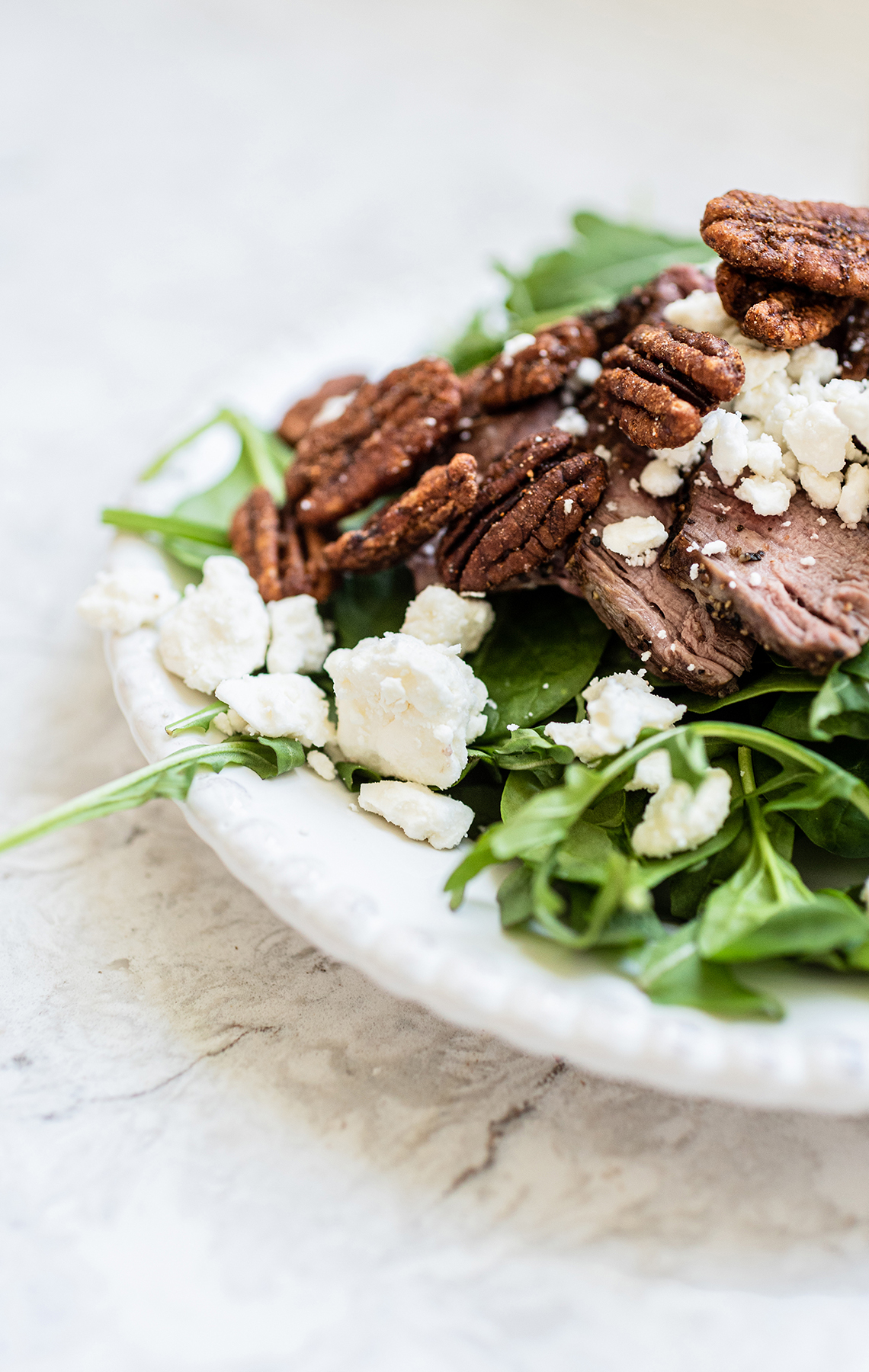
What It Is
The MIND diet (Mediterranean-DASH Intervention for Neurodegenerative Delay) is a hybrid diet that combines the Mediterranean and DASH diets, specifically designed to protect brain health and reduce dementia risk. It takes the best brain-protective foods from both parent diets and specifies exact amounts for optimal cognitive benefits.
The 10 Brain-Healthy Food Groups to EMPHASIZE
Daily Foods:
- Green Leafy Vegetables (at least 6+ servings/week, ideally 1+ daily)
- Kale, spinach, arugula, collard greens, Swiss chard, romaine lettuce, mustard greens, turnip greens, dandelion greens
- Green leafy vegetables are the most beneficial food – brain tissue of people who ate the most leafy greens looked nearly 19 years younger in plaque buildup
- Other Vegetables (at least 1 serving daily, preferably more)
- All non-starchy vegetables
- Aim for colorful variety
- Nuts (at least 5 servings/week)
- Especially walnuts, almonds, pistachios
- 1 serving = 1 ounce (small handful)
- Whole Grains (at least 3 servings daily)
- Quinoa, brown rice, oats, whole wheat, farro, bulgur
- Choose minimally processed
- Olive Oil (use as primary cooking fat)
- Extra virgin olive oil preferred
- Use liberally for cooking and dressings
Weekly Foods:
- Berries (at least 2+ servings/week, ideally 5+)
- Especially blueberries, strawberries, blackberries, and raspberries – emphasized over other fruits
- Frozen is fine if fresh unavailable
- Beans/Legumes (at least 3+ servings/week)
- Lentils, chickpeas, black beans, kidney beans
- Excellent plant-based protein
- Fish (at least 1+ serving/week, ideally 2-3)
- Fatty fish preferred: Salmon, sardines, mackerel, herring, trout
- Rich in omega-3 fatty acids
- Poultry (at least 2 servings/week)
- Chicken, turkey (skinless preferred)
- Lean protein source
- Wine (optional: 1 glass daily, particularly red wine)
- Only if you already drink; don’t start for brain health
- Resveratrol and polyphenols may offer benefits
The 5 Unhealthy Food Groups to LIMIT
- Red Meat (less than 4 servings/week, ideally <3)
- Beef, pork, lamb
- Choose grass-fed and lean cuts when consumed
- Butter and Margarine (less than 1 tablespoon daily)
- Replace with olive oil whenever possible
- Cheese (less than 1 serving/week)
- Full-fat cheese high in saturated fat
- Pastries and Sweets (less than 5 servings/week, ideally <3)
- Cookies, cakes, donuts, candy, ice cream
- High in sugar and refined carbs
- Fried or Fast Food (less than 1 serving/week, ideally avoid)
- People who ate greater amounts of fried and fast foods had much higher levels of plaques and tangles in their brain tissue
Sample Daily Meal Plan
Breakfast:
- Steel-cut oatmeal with blueberries, walnuts, and cinnamon
- Green tea
Morning Snack:
- Handful of almonds
- Apple slices
Lunch:
- Large spinach salad with chickpeas, cherry tomatoes, cucumber, red onion
- Olive oil and lemon dressing
- Whole grain crackers
Afternoon Snack:
- Carrot sticks with hummus
Dinner:
- Grilled salmon with herbs
- Roasted Brussels sprouts and sweet potato
- Quinoa pilaf
- Side salad with mixed greens
Evening:
- Small handful of mixed berries
- Optional: 1 glass red wine
Weekly Shopping List Essentials
Produce:
- 2-3 types of leafy greens (kale, spinach, arugula)
- Rainbow of vegetables (broccoli, bell peppers, carrots, tomatoes, etc.)
- Fresh or frozen berries (blueberries, strawberries)
- Lemons for dressing
Proteins:
- Fatty fish (salmon, sardines – 2-3 portions)
- Chicken breasts or thighs (2 portions)
- Dried or canned beans/lentils
Pantry:
- Extra virgin olive oil
- Raw nuts (walnuts, almonds)
- Whole grains (brown rice, quinoa, oats)
- Herbs and spices
Optional:
- Red wine (if you drink)
- Dark chocolate (70%+ cacao, small amounts)
Key Principles
- Plant-Forward: Majority of your plate should be plants
- Whole Foods: Minimize processed foods
- Healthy Fats: Emphasize olive oil, nuts, fatty fish (not butter/cheese)
- Berry Power: Berries specifically, not just any fruit
- Daily Greens: Make leafy greens non-negotiable
- Flexibility: Not all-or-nothing; even moderate adherence shows benefits
The Science Behind It
Research shows that people with the highest MIND diet scores had a 53% lower rate of Alzheimer’s disease, and even moderate adherence showed a 35% lower rate. Studies examining donated brains found that participants who adhered to the MIND and Mediterranean diets had fewer amyloid plaques and tau tangles – the hallmark proteins of Alzheimer’s disease.
How it works:
- Reduces inflammation (a key driver of cognitive decline)
- Provides antioxidants (combat oxidative stress in brain)
- Supplies essential nutrients (vitamins, minerals, omega-3s)
- Supports healthy blood vessels (improves blood flow to brain)
- Reduces toxic protein buildup (amyloid and tau)
Bottom Line
The Mediterranean-MIND diet isn’t about deprivation – it’s about adding in powerful brain-protective foods while reducing foods that harm cognitive function. Even adding more leafy greens and berries to your existing diet shows measurable brain benefits.
Start simple:
- Add a leafy green salad daily
- Snack on berries 5x/week
- Use olive oil instead of butter
- Eat fish 2x/week
- Replace red meat with beans several times weekly
The research is clear: what you eat directly affects your brain health, and it’s never too late to start.
Leave a Reply