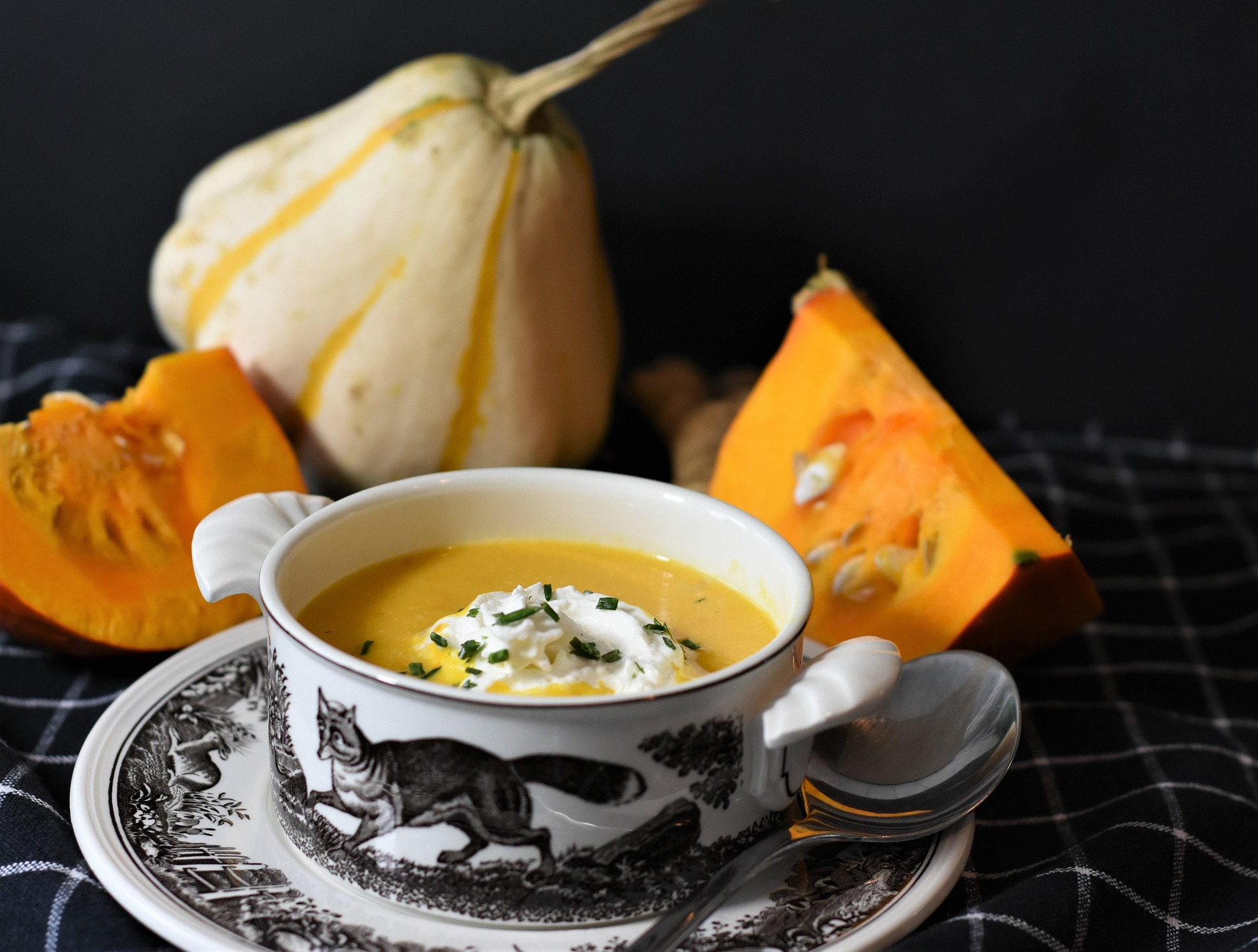
Food at Thanksgiving is never just food. It carries our mothers’ recipes, the chairs that are empty now, and the people crowded around the table this year.
If you’ve been wondering how to honor your brain’s health without giving up the meal you love, you’re not alone. Earlier in this series we looked at how diet and metabolic health shape the brain’s immune system. This week I want to make that practical, with Thursday’s table in mind.
Let me say this first. This is not a rigid protocol, and it’s not a list of forbidden foods. A holiday meal is not a test. The brain-defending table also turns out to be a deeply satisfying one.
The Quiet Principles
The way of eating with the strongest support for brain health shows up again and again, in the Mediterranean diet and the MIND diet. It rests on a few simple ideas:
- Choose foods close to how they grew. The less a food has been processed, the more fiber and nourishment it keeps, and the calmer it tends to be for the brain’s immune cells.
- Welcome the good fats. Extra virgin olive oil, walnuts, and fatty fish like salmon are some of the most consistently brain-protective foods we know.
- Feed your gut garden. Variety is the gift here. The more kinds of plant foods you eat in a week, the more your gut bacteria flourish, and those bacteria send calming signals to the brain.
- Steady the blood sugar. Pairing carbohydrates with protein, fiber, and healthy fats smooths out the spikes and crashes that can stir up inflammation.
Your Thanksgiving Plate
Here’s the good news. Autumn is generous to the brain, and much of the traditional table already works in your favor.
- The turkey. It’s lean, satisfying protein. Roasting it with olive oil, garlic, and fresh herbs is lovely, and the herbs add their own anti-inflammatory compounds.
- Roasted root vegetables. Sweet potatoes, carrots, beets, and parsnips are rich in fiber and color. Toss them in olive oil and roast until their edges caramelize. Here’s the thing: you may find you don’t miss the marshmallows.
- Dark leafy greens. Sautéed kale, collards, or Swiss chard with a little garlic belong on almost every brain-healthy plate. Even one serving a day is linked to slower cognitive aging.
- Green beans or Brussels sprouts. Try them with toasted walnuts. You get crunch, omega-3 fats, and a dish people go back for.
- Cranberries. Fresh cranberry sauce is rich in the same flavonoids that make berries so valuable for the brain. If you make it yourself, you can go easy on the sugar.
- Stuffing or dressing. Whole-grain bread, plenty of celery and onion, and herbs make it more nourishing without losing the comfort.
- A pomegranate salad. Scatter the ruby seeds over autumn greens with olive oil and a squeeze of lemon. Pomegranates are a seasonal gem, rich in polyphenols, and they make the table look like a celebration.
And if there’s salmon, sardines, or a fish dish on your table this week, so much the better. Two to three servings of fatty fish a week is the most commonly suggested goal.
And the Pie?
Have the pie. Please. Pumpkin is full of beta-carotene, and a handful of pecans or walnuts on top adds brain-friendly fats. Savor a slice slowly, with a cup of tea and the people you love.
Ultra-processed foods, sugary drinks, and large amounts of red and processed meat are the things worth easing back on over time. But a single holiday meal doesn’t undo anything. Being too restrictive can add more stress than a second helping of mashed potatoes ever could. Do the best you can, and be gentle with yourself.
One Small Step
You don’t need to change the whole menu. Choose one dish this week, perhaps the roasted vegetables, a green side with walnuts, or the pomegranate salad, and make it the way this post describes. Small steps lead to significant changes, and a tradition that feeds the brain can be handed down along with the recipes.
Here’s to a table full of gratitude, good company, and food that loves you back. Your brain’s defenders are grateful for it. 🍂✨
Leave a Reply